


A cookout usually falls apart in the same spot. The patties are seasoned, the griddle is screaming hot, the buns are fresh, and then somebody plunks a ketchup bottle, a jar of mustard and a tub of mayo on the table and leaves everyone to sort it out themselves. The burger that comes out of that is fine. It is also forgettable, and half the time the bottom bun is soaked through before the third bite. The fix takes five minutes and a mixing bowl. Whisk mayonnaise, ketchup, Dijon, sweet relish and a spoonful of dill pickle brine into one sauce, and the condiments your burger already needed stop landing in separate puddles and start tasting like a single thing.
The Three Condiments A Burger Cannot Skip
Yellow mustard earns its spot on acidity alone. That sharp, vinegar-bright tang is what cuts through beef fat so a rich patty never feels heavy in the mouth, and it is the defining note of American diner and smash burger cooking. French’s is the standard because it is smooth, with no whole seeds to interrupt a bite, and it is on every shelf in the country. On its own it reads sharp, which is exactly why it has been paired with ketchup since forever.
Ketchup brings the sweetness and the rounded tomato depth that rounds the mustard off. Heinz is thick enough to cling to the patty instead of running down your wrist, and that inverted bottle makes it easy to dose without flooding the build. Go heavy and you tip the whole burger toward candy, especially if there are caramelized onions or anything barbecue-flavored already in play. Treat it as an accent, not the main layer.
Mayonnaise does two jobs at once. It adds creaminess and body that mustard and ketchup cannot, and the fat forms a barrier that keeps bun from turning to paste. Hellmann’s Real is the dependable one, and it is also the base you build every other sauce on. If you want a sharper mustard than French’s for a thick pub-style patty, Grey Poupon Dijon is the upgrade worth making. The brand states it has used the same French-style recipe since 1777, with white wine, number-one grade mustard seeds and spices, and the 10 oz squeeze bottle lets you lay down a clean line instead of a blob.
Why Mixing Them Beats Squeezing Them
Three separate squeezes give you three separate flavors that hit at three separate moments. One sauce gives you all of them in every bite, which is the whole reason the ketchup-mayo-relish spread became famous on double-patty burgers and sliders. It binds beef, cheese, onion and pickle into one thing instead of a stack of parts, and a little goes a long way.
Bottled versions will do in a pinch, and some are genuinely good. In side-by-side taste tests the store-brand Kroger Burger Special Sauce came out on top for its balance of sweet and tangy, and J.L. Kraft Burger Special Sauce was the one bottle doing something different, with a horseradishy, zippy, salty streak that suits anyone who hates a sweet burger sauce. The catch with most of them is sameness: they taste like thousand island dressing with a small tweak, and none let you push the acid up or the sugar down. Mix your own and you control both.
What Every Spoonful Is Actually Doing
Mayonnaise is the body. Use full-fat, half a cup of it, because light mayo thins out and slides. Ketchup, three tablespoons, carries the sweetness and the color. Dijon, one tablespoon, provides the bite that keeps the mayo from reading as plain fat. Sweet pickle relish adds both sugar and texture, and it is the ingredient people notice when you leave it out.
The teaspoon of dill pickle brine is the part most home cooks skip, and it is the one that makes the sauce taste like a restaurant made it. It is salty and sour at the same time, which is precisely the contrast a creamy, fatty sauce needs. Lemon juice or apple cider vinegar will stand in if your pickle jar is dry. Worcestershire, garlic powder and a little smoked paprika round out the back end, adding savory depth and a faint smoke that plays well with a charred crust.
The Mistakes That Flatten A Good Sauce
Sauce goes on after the cooking, not during. Ketchup, relish and barbecue sauce are full of sugar, and sugar on a hot griddle burns before the patty is done. Mustard is the exception, and it is a useful one: a thin layer spread on the raw side of a patty just before you flip it, In-N-Out’s mustard-grilled trick, builds a tangy, browned crust.
Over-ketchuping is the second mistake, and the third is a heavy hand with Dijon. A bold white-wine mustard dominates fast and will bury the flavor of beef you paid good money for. Restraint is the whole trick with sharp condiments.
Premium ketchups are worth a look here. Sir Kensington’s Classic tastes more like actual tomatoes, with a less processed, slightly peppery flavor than commodity ketchup. Fold it into the mayo base instead of squeezing it on bare, and that tomato flavor reaches every bite.
Where The Sauce Goes And Where It Doesn’t
Order matters as much as the recipe. Toast the bun first for grip, then spread one tablespoon of the sauce on the bottom half, all the way to the edges. The fat blocks the patty’s juices from soaking in, which is the single best thing you can do about a soggy bottom bun.
From there: a leaf of crisp iceberg over the sauce as a second shield, tomato under the patty where slippery things behave, then the patty with its melted cheese, onions, pickles tucked inside the onion rings so they cannot slide out, and a second condiment on the top bun before the lid goes on. Apply that top-bun layer with a butter knife and leave a half-inch border so it does not squeeze out the sides on the first bite. Splitting condiments between the two buns keeps each flavor distinct and stops the whole thing from turning into one slick of goop.
Toppings That Fight Your Sauce
Barbecue sauce ranks dead last in Chowhound’s ranking of burger condiments and toppings, and the reason is simple: it steals the show from the beef with a smoky, sticky layer and demands bacon, onions, pickles and cheese just to stay in balance. Halloumi lands second from the bottom because it will not melt no matter how long you grill it, so it sits in the middle of the patty while the outer bites get nothing.
Breaded onion rings make the burger too tall to bite and slide out anyway. Blue cheese buries the beef under salt and funk unless you are using something that melts well, like Gorgonzola dolce. Even bacon lands low on that list: it is rarely cooked to the right crispness, and burnt smokiness ends up being the loudest flavor in the sandwich. Pepper jack is the smarter pick, because it melts into the patty the way a burger cheese should and brings heat without a jar of chilis.
Four Ways To Change It Up
For smoke, swap the paprika for a quarter teaspoon of chipotle chili powder, or stir in two tablespoons of barbecue sauce with a quarter teaspoon of onion powder. For garlic, grate in one small fresh clove. For an oniony version, add a tablespoon of finely minced white onion or shallot. For more savory depth, half a teaspoon of fish sauce or an extra teaspoon of Worcestershire does it without anybody guessing why.
Regional habits are worth stealing too. In Utah, fry sauce is at heart ketchup and mayo stirred together, and it works on a burger exactly as well as it works on fries. Sriracha folded into mayo gives you creamy heat that pairs with pickled jalapenos and a slice of mild provolone.
Keep leftovers in an airtight container in the fridge, though honestly, a batch this size tends to disappear on burger night. What is left over goes on fries, chicken sandwiches, or thinned with a splash of vinegar as a salad dressing.
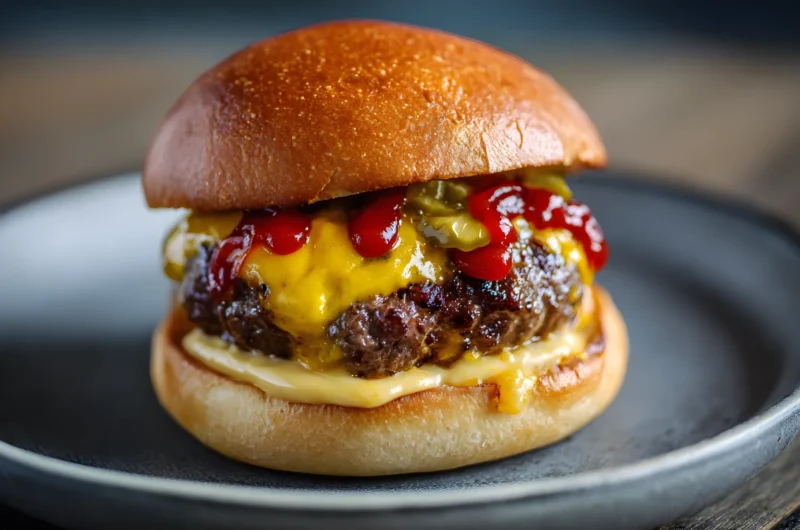
Five-Minute Burger Night Special Sauce
Course: CondimentCuisine: American6
servings5
minutes140
kcalThe one sauce that finally makes ketchup, mustard and mayo behave on a burger.
Ingredients
1/2 cup full-fat mayonnaise
3 tablespoons ketchup
1 tablespoon Dijon mustard
2 tablespoons sweet pickle relish
1 teaspoon dill pickle brine
1 teaspoon Worcestershire sauce
1/2 teaspoon garlic powder
1/2 teaspoon smoked paprika
Kosher salt and black pepper, to taste
Directions
- Scoop the mayonnaise into a medium bowl and press it smooth with the back of a spoon. Cold mayo straight from the fridge takes longer to loosen, so give it a minute on the counter if it feels stiff.
- Add the ketchup and Dijon mustard. Whisk until the color is one even pale orange with no white streaks left, which takes about 30 seconds.
- Stir in the sweet pickle relish and the dill pickle brine. The brine is what keeps the sauce from tasting flat and heavy, so do not leave it out unless you have to.
- Add the Worcestershire sauce, garlic powder and smoked paprika. Whisk again until the spices are fully worked in and you cannot see any dry pockets of powder sitting on the surface.
- Season with kosher salt and black pepper and taste. Use a piece of bun or a pickle chip rather than a bare spoon, because a sauce always reads saltier on its own than it does on a burger.
- Adjust the balance. If it tastes too sweet, add another splash of pickle brine or half a teaspoon more Dijon; if it tastes too sharp, stir in another tablespoon of mayonnaise.
- Cover and chill for 30 minutes if you have the time. The garlic powder and paprika need a few minutes to soften into the mayo, and the sauce thickens slightly as it sits.
- Build the burger after the patties come off the heat. Spread 1 tablespoon on the toasted bottom bun all the way to the edges, then put a second, thinner layer on the top bun leaving a half-inch border so it does not squeeze out.
Notes
- Keep the sauce in an airtight container in the fridge. It is a small batch on purpose and usually gets finished on burger night.
- No Dijon in the house? Yellow mustard works, but add a pinch of cayenne to make up for the missing bite.
- For smash burgers, spread a thin layer of plain yellow mustard on the raw side of the patty just before you flip it. Save this sauce for the bun.
Frequently Asked Questions
Q: How long does homemade burger sauce keep?
A: Store it in an airtight container in the refrigerator. A batch this size is built for one dinner, and most people use the whole thing on burger night rather than saving it.
Q: Can I use yellow mustard instead of Dijon?
A: Yes. Yellow mustard is milder but more vinegar-forward, so the sauce will lean tangier and lose some heat. A pinch of cayenne brings back the kick the Dijon would have added.
Q: Why does my bottom bun still get soggy?
A: Toast it, then spread a full tablespoon of a mayo-based sauce right to the edges. The fat repels juice. Lay a leaf of crisp iceberg over that as a second barrier and put wetter condiments on the top bun instead.
Q: What else can I use it on?
A: Fries, chicken sandwiches and sliders all take it well, and thinned with a splash of vinegar it works as a salad dressing.