


Worcestershire sauce has been around for nearly 200 years, and most of us only crack the bottle for a few dashes in a meatloaf or a Bloody Mary. Pour it over a steak and let it sit, and you turn a plain weeknight cut into something that tastes like you fussed for hours over it.
The method could not be easier. Soak your steak in Worcestershire sauce in the fridge for a minimum of 30 minutes, and a couple of hours for the best results. The sauce is tangy and loaded with umami, which lines up perfectly with the rich, beefy flavor of a good steak. If straight Worcestershire tastes too strong for you, dilute it with a little water and it still does its job.
Why Worcestershire Sauce Belongs on Your Steak
Worcestershire is basically the Western equivalent of soy sauce, packed with salt and umami but carrying a lot more depth than that. A big part of it comes from an ingredient plenty of people never expect: anchovies. The tiny fish do not taste fishy in the finished sauce. They add a savory richness that plays like a surf and turf of umami up against the beef.
It also brings a soft, hazy smokiness without any of the fake taste you get from bottled smoke flavor. That means a steak seared in a pan on your stovetop can still pick up a touch of that blackened, off-the-grill character. And a bottle stretches a long way. You only need about half a cup of marinade per pound of meat, so a single purchase lasts months.
What Is Actually in That Bottle
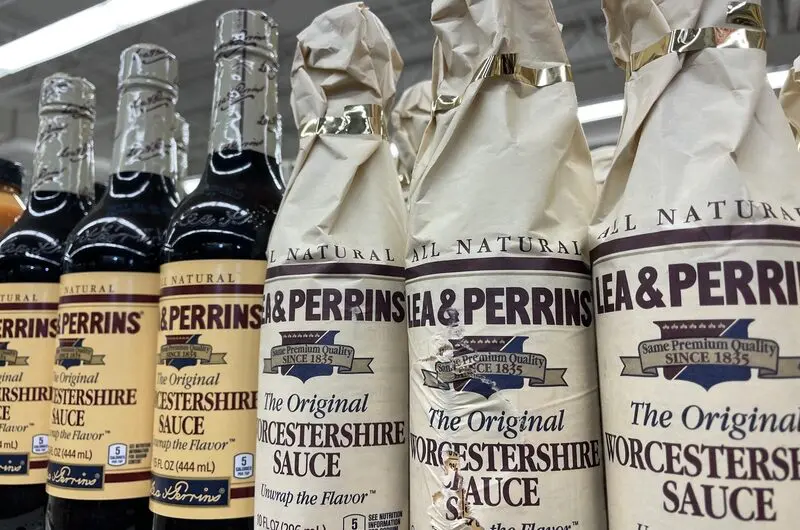
The reason Worcestershire works so well as a marinade is that every ingredient is doing a different job. In Lea & Perrins, the brand that originated the English condiment, molasses gives a subtle sweetness with hints of burnt caramel, while tamarind extract adds fruity sugars and a lively tanginess.
Salt, garlic, onions, and chili pepper extract all lean toward beef, cloves add warmth and complexity, and the anchovy rounds it out with that punch of umami. There is also vinegar in there, and the acidity is what breaks down proteins on the surface of the steak. That tenderizes the meat a little though the flavor itself stays close to the outside, because a marinade barely reaches past the first millimeter of the meat.
How to Build the Marinade
Straight Worcestershire works fine, but a few pantry additions turn it into a marinade people beg you to explain. The simplest upgrade is soy sauce, Worcestershire, and Dijon mustard whisked together. The mustard helps the thin liquids cling to the meat instead of running right off, and between the three you have acid, salt, and umami all covered.
For a bigger, herb-forward version, my go-to blends soy sauce, olive oil, lemon juice, and Worcestershire with garlic powder, dried basil, dried parsley, white pepper, a pinch of cayenne, and minced garlic. The olive oil helps the spices stick and keeps the steak juicy, the lemon brightens everything up, and the Worcestershire carries that deep, savory base. Whisk it all in one bowl. No cooking, no fancy gear, done in about five minutes.
Do Not Leave It Too Long
The one rule you cannot ignore is timing. Worcestershire is acidic, and acid left on meat too long wrecks the texture. Push past the limit and the surface turns soft and mushy instead of tender, and the sauce starts to overwhelm the steak’s natural flavor.
For most cuts, a couple of hours is the sweet spot, and tougher cuts can go up to 8 hours in the fridge. Tender cuts like ribeye or New York strip should marinate no more than about two hours. Never go past 24 hours no matter the cut. And if you are short on time, do not stress, because even a quick 30-minute soak makes a real difference.
The Best Cuts for This Trick
A marinade earns its keep on cheaper, tougher cuts. Skirt, flank, and sirloin all soak up the flavor and come out more tender than they have any right to be. Flat iron, tri-tip, London broil, and steak tips are all fair game too, and this mix works great threaded onto skewers for kabobs.
You can absolutely marinate a ribeye or a filet for a special dinner. Those cuts do not need the tenderizing since they are already soft, but they still taste great with the extra flavor. Just keep them on the shorter end of the clock so the acid does not soften them past the point you want.
Mistakes That Ruin a Good Marinade
Cooking a wet steak is the most common slip. Lift the meat out, let the excess drip off, and pat the surface dry with a paper towel before it hits the heat. A dripping steak steams in the pan, and you lose that deep, golden-brown crust you were after.
Not getting the pan hot enough is another. Heat your grill or cast iron skillet until it is really hot, then sear thinner cuts about 2 to 3 minutes per side and cook to temperature with a meat thermometer instead of watching the clock. The USDA puts the safe minimum for beef steaks at 145 degrees Fahrenheit, followed by a three minute rest. One more: never reuse marinade that touched raw meat as it is. If you want it as a sauce, bring it to a boil and simmer it a few minutes first, then drizzle it over the cooked steak.
Easy Ways to Change It Up
Once you have the base down, playing with it is half the fun. Woody herbs like rosemary and thyme add an earthy note, and a splash of bourbon brings complexity without knocking the other flavors off balance. A tablespoon of honey stirred in gives you a slightly sweet, caramelized edge when the steak meets the heat. Want a kick? A little sriracha or some red pepper flakes wake the whole thing up.
Worcestershire is also happy to be one player among many. It works in teriyaki-glazed skewers with soy sauce, garlic, ginger, honey, beef broth, and rice vinegar, or in arrachera tacos with lime juice, garlic, herbs, and spices. And since the bottle is already out, you might as well fix yourself a classic Bloody Mary to sip while the steak soaks.
Frequently Asked Questions
Q: How long should I marinate steak in Worcestershire sauce?
A: At least 30 minutes for a quick flavor boost, and a couple of hours for the best results. Tougher cuts can soak up to 8 hours, but tender cuts like ribeye or New York strip should stop around two hours. Never go past 24 hours.
Q: Can I marinate steak in straight Worcestershire sauce?
A: Yes. Soak the steak in the sauce for a minimum of 30 minutes, longer for tougher cuts. If it tastes too intense on its own, dilute it with a little water and it still works.
Q: How much Worcestershire sauce do I actually need?
A: About half a cup of marinade per pound of meat is the usual ratio, which is enough to cover the steak in a shallow dish. Dilute the Worcestershire with a little water if that much straight sauce tastes too strong.
Q: What cuts of steak work best?
A: Cheaper, tougher cuts like skirt, flank, and sirloin get the most out of a marinade since it tenderizes them and adds flavor. You can use it on ribeye or filet too, they just do not need the tenderizing, so keep those on the shorter end of the timing.
Worcestershire Steak Marinade
Course: Main DishCuisine: American6
servings5
minutes10
minutes193
kcalThe pantry bottle you ignore, turned into the easiest steak upgrade you will ever make.
Ingredients
⅓ cup soy sauce
½ cup olive oil
⅓ cup lemon juice
¼ cup Worcestershire sauce
1½ tablespoons garlic powder
3 tablespoons dried basil
1½ tablespoons dried parsley flakes
1 teaspoon ground white pepper
⅛ teaspoon cayenne pepper
1 teaspoon minced garlic
6 to 8 steaks (skirt, flank, sirloin, ribeye, or your choice)
Directions
- Whisk the soy sauce, olive oil, lemon juice, and Worcestershire sauce together in a medium bowl. Add the garlic powder, dried basil, dried parsley, white pepper, cayenne, and minced garlic, then whisk again until well combined. The mix should look thick with herbs and smell sharp and savory.
- Place your steaks in a large zip-top bag or an airtight container. Pour the marinade over the meat and turn each piece so every side is fully coated. Press the air out of the bag and seal it tight.
- Refrigerate for at least 2 hours, and up to 8 hours for tougher cuts. Keep tender cuts like ribeye or New York strip to about two hours. Flip the bag once halfway through so both sides soak evenly.
- About 30 minutes before cooking, pull the steak out and let it sit on the counter to lose its fridge chill. A steak that goes into the pan ice cold cooks unevenly. This short rest helps it sear and cook more evenly.
- Heat your grill or a cast iron skillet over high heat until it is really hot. Meanwhile, lift the steak from the marinade and let the excess drip off. Discard any marinade that touched the raw meat.
- Pat the steak dry with a paper towel before it hits the heat. A dry surface is what gives you a deep, brown crust instead of a gray, steamed one. Do not skip this step.
- Sear thinner cuts about 2 to 3 minutes per side. Use a meat thermometer and cook to your preferred doneness, pulling the steak a few degrees early since it keeps cooking off the heat. Rare runs 120 to 125°F and medium-rare 125 to 135°F.
- Let the steak rest 5 to 10 minutes so the juices settle. Slice thin against the grain, especially for skirt and flank. Serve with roasted potatoes or grilled vegetables.
Notes
- Worcestershire is acidic, so tender cuts like ribeye or New York strip should marinate no more than about two hours, while tougher cuts can go up to 8 hours.
- Stir in a tablespoon of honey for a slightly sweet, caramelized crust, or add a splash of bourbon for extra depth.
- To turn leftover marinade into a sauce, bring it to a boil and simmer a few minutes first, since it touched raw meat.