


Remember when your grandma used to make that big pot of something with ground beef, macaroni, and tomatoes all mixed together? That was American goulash, and it was everywhere in the 1960s. Back then, it was one of the most popular meat dishes in the entire country. Fast forward to today, and most people under 40 have never even heard of it. This one-pot wonder somehow disappeared from dinner tables across America, replaced by fancier pasta dishes and trendy meal prep ideas. But here’s the thing: American goulash deserves a comeback because it’s actually perfect for busy weeknights.
What happened to American goulash anyway
American goulash started showing up in kitchens after Hungarian immigrants brought their version of goulash to the United States in the 1800s. The original Hungarian goulash was more like a soup or stew that you’d serve over pasta, rice, or potatoes. Americans took that idea and ran with it in a completely different direction. Instead of keeping the pasta separate, they cooked everything together in one big pot, creating what became known as American goulash. The dish includes ground beef, elbow macaroni, tomatoes, and cheese all cooked together to form a thick, hearty stew.
By the time the 1960s rolled around, this dish was considered a luxury because meat was still relatively expensive for many families. The fact that you could stretch a pound of ground beef with pasta and tomatoes to feed a whole family made it super popular. It was cheap, filling, and required just one pot for cooking and cleanup. Somewhere along the way, though, people started favoring newer pasta dishes or going back to more authentic Italian recipes. Casseroles fell out of fashion, too, which didn’t help goulash’s popularity.
The ingredients are surprisingly simple
One of the best things about American goulash is that you probably already have most of the ingredients sitting in your pantry right now. You need ground beef, elbow macaroni, canned tomatoes, tomato sauce, and some basic seasonings like garlic powder, onion powder, salt, and pepper. Some people add diced onions and bell peppers for extra vegetables. The cheese is usually cheddar, but you can use whatever you have on hand. There’s nothing fancy or expensive required, which is part of why this dish was so popular during tougher economic times.
The simplicity also means you can easily adjust the recipe based on what you like or what you have available. Want it spicier? Add some red pepper flakes or hot sauce. Need to use up some mushrooms? Throw them in. Got picky eaters who hate vegetables? Leave them out completely. The basic formula of ground meat, pasta, and tomato sauce is pretty forgiving. Unlike some pasta dishes that require specific ingredients or precise measurements, goulash is the kind of recipe where you can eyeball most things and still end up with something delicious. It’s comfort food at its most basic and most satisfying.
Why one-pot cooking actually makes sense
The whole point of American goulash is that everything cooks together in one pot. You brown the meat, add your vegetables if you’re using them, then dump in the tomatoes, sauce, seasonings, and uncooked macaroni. Everything simmers together until the pasta absorbs the liquid and gets tender. The pasta actually cooks in the tomato sauce, which means it soaks up all those beefy, tomatoey tastes as it cooks. This is completely different from making spaghetti, where you boil the noodles separately and then mix them with sauce at the end.
This cooking method means less time standing over multiple pots and way less cleanup afterward. On a busy Tuesday night when you’re tired from work and the kids need to eat before soccer practice, having just one pot to wash is a real advantage. The whole thing takes maybe 30 minutes from start to finish, and most of that is just waiting for the pasta to cook. American goulash offers convenience that matches what people look for in modern meal planning, even if the recipe itself is from another era. It’s basically the original one-pot meal before that became a trending hashtag.
How it compares to other comfort foods
American goulash sits somewhere between chili and spaghetti in terms of texture and taste. It’s thicker than spaghetti with meat sauce, but not quite as thick as chili. The elbow macaroni gives it a different feel than long noodles would. Some people actually call this dish “slumgullion” or “American chop suey,” depending on where they live, though those names have mostly disappeared, too. The result is something that tastes like a cross between pasta with meat sauce and a beef and tomato stew.
Compared to making lasagna or baked ziti, goulash is way less work. There’s no layering, no separate ricotta mixture to prepare, and no waiting 45 minutes for something to bake in the oven. Compared to regular spaghetti, it’s heartier and more filling because the pasta absorbs the sauce instead of just being coated by it. The cheese melts right into everything instead of sitting on top. It’s the kind of meal that sticks to your ribs, as your grandmother might say. For families on a budget, it’s still one of the most affordable ways to feed four to six people with less than ten bucks worth of groceries.
The regional variations people still make
Different parts of the country have their own takes on American goulash. In the Midwest, some people add a can of corn or green beans to make it more of a complete meal. In the South, you might find versions with more spices or even some hot sauce mixed in. New England has a version called American chop suey that’s pretty much identical, but sometimes uses different pasta shapes. Out West, some cooks add chili powder to give it a slightly Southwestern kick. The basic concept stays the same, but everyone’s family recipe has its own little tweaks.
Some families swear by adding a can of condensed tomato soup along with the regular tomato sauce to make it creamier and sweeter. Others insist on using Italian seasoning or adding a bay leaf while it simmers. A few recipes call for Worcestershire sauce to add some extra depth. The pasta shape can vary, too, though elbow macaroni is traditional. Some people use shells, rotini, or whatever small pasta they have in the cabinet. Despite all these variations, the dish remains recognizable as American goulash. It’s one of those recipes where everyone’s mom or grandma made it slightly differently, but it all still counts as the same basic dish.
Why it disappeared from dinner tables
So what happened to make this popular dish fade away? Part of it is that casseroles and one-pot meals in general became associated with old-fashioned cooking. As people got more interested in authentic Italian food and fancier pasta dishes, simple American versions seemed boring or unsophisticated. The rise of food TV and cooking shows made people want to try more complicated recipes. Ground beef and canned tomatoes just didn’t seem exciting compared to making your own pasta from scratch or trying some trendy new fusion recipe.
Another factor is that the name itself fell out of use. Younger generations might have eaten something similar without knowing it was called goulash. Their parents might have just called it “pasta and meat” or “hamburger macaroni” instead of using the traditional name. Without the name being passed down, the specific identity of the dish got lost. Also, as healthier school lunch options became more important, goulash disappeared from cafeterias where many kids used to eat it regularly. When a whole generation stops encountering a dish, it’s easy for it to fade from collective memory entirely.
Making American goulash work for today
If you wanted to bring American goulash back into your regular dinner rotation, it would actually fit pretty well with modern cooking trends. It’s already a one-pot meal, which is huge right now. It makes great leftovers that you can pack for lunch the next day. You can easily make a big batch and freeze half of it for later. It’s the kind of meal that tastes even better the second day, after all the seasonings have had time to blend.
You could also update it with some modern touches while keeping the basic concept. Use ground turkey or chicken instead of beef for a lighter version. Add fresh herbs like basil or parsley at the end for a brighter taste. Swap regular pasta for whole wheat if you want more fiber. Top each bowl with fresh mozzarella or parmesan instead of mixing cheddar throughout. The point is that the basic recipe is flexible enough to adapt to whatever your family likes or needs. It doesn’t have to be exactly like Grandma made it to still be good and still be goulash.
How American goulash connects to other forgotten dishes
American goulash isn’t the only pasta dish that used to be everywhere but has now mostly disappeared. Macaroni and tomatoes, which is even simpler (just elbow macaroni, canned tomatoes, and butter), was another Depression-era staple that nobody makes anymore. Johnny Marzetti, an Ohio casserole with noodles, ground meat, tomato sauce, and cheddar cheese, used to be served in school cafeterias across the state but has mostly vanished. These dishes all share similar ingredients and were all born from the same need to feed families affordably and easily.
What’s interesting is that while these specific dishes faded away, the basic idea behind them never really went anywhere. People still make one-pot pasta dishes, just with different names and slightly different approaches. Instant Pot pasta recipes are basically the same concept as American goulash, just using modern equipment. Skillet pasta dinners in cooking magazines follow the same formula of cooking everything together. Maybe old-school pasta dishes like goulash didn’t really disappear so much as they evolved into new forms that feel more current. The techniques and principles stayed relevant even if the specific recipes got left behind.
Should you actually try making it
The real question is whether American goulash is worth making in 2025 or if it should stay in the past where it belongs. Honestly, it depends on what you’re looking for. If you want an impressive dish to serve at a dinner party, this probably isn’t it. But if you need something cheap, fast, and filling for a regular weeknight dinner, American goulash checks all the boxes. It’s particularly good for feeding kids because the taste is mild and familiar. Most children who eat chicken nuggets and mac and cheese will happily eat goulash too.
It’s also worth making just to understand a piece of American food history. This dish was genuinely important to millions of families for several decades. Trying it gives you a connection to what your grandparents or great-grandparents might have eaten regularly. Plus, there’s something satisfying about making a recipe that’s been mostly forgotten. It feels like rescuing something worthwhile from being lost completely. Even if you only make it once out of curiosity, at least you’ll know what all those old cookbooks were talking about when they mentioned American goulash as a weeknight staple.
American goulash might not be trendy, but it represents something valuable that got lost when we started chasing fancier recipes. Sometimes the simplest approach is actually the best one. This dish proves you don’t need a dozen ingredients or complicated techniques to make something satisfying. Maybe it’s time more people rediscovered what made American goulash so popular in the first place, because that combination of convenience, affordability, and comfort never really goes out of style. Give it a try sometime when you need an easy dinner. You might be surprised at how good it still tastes.
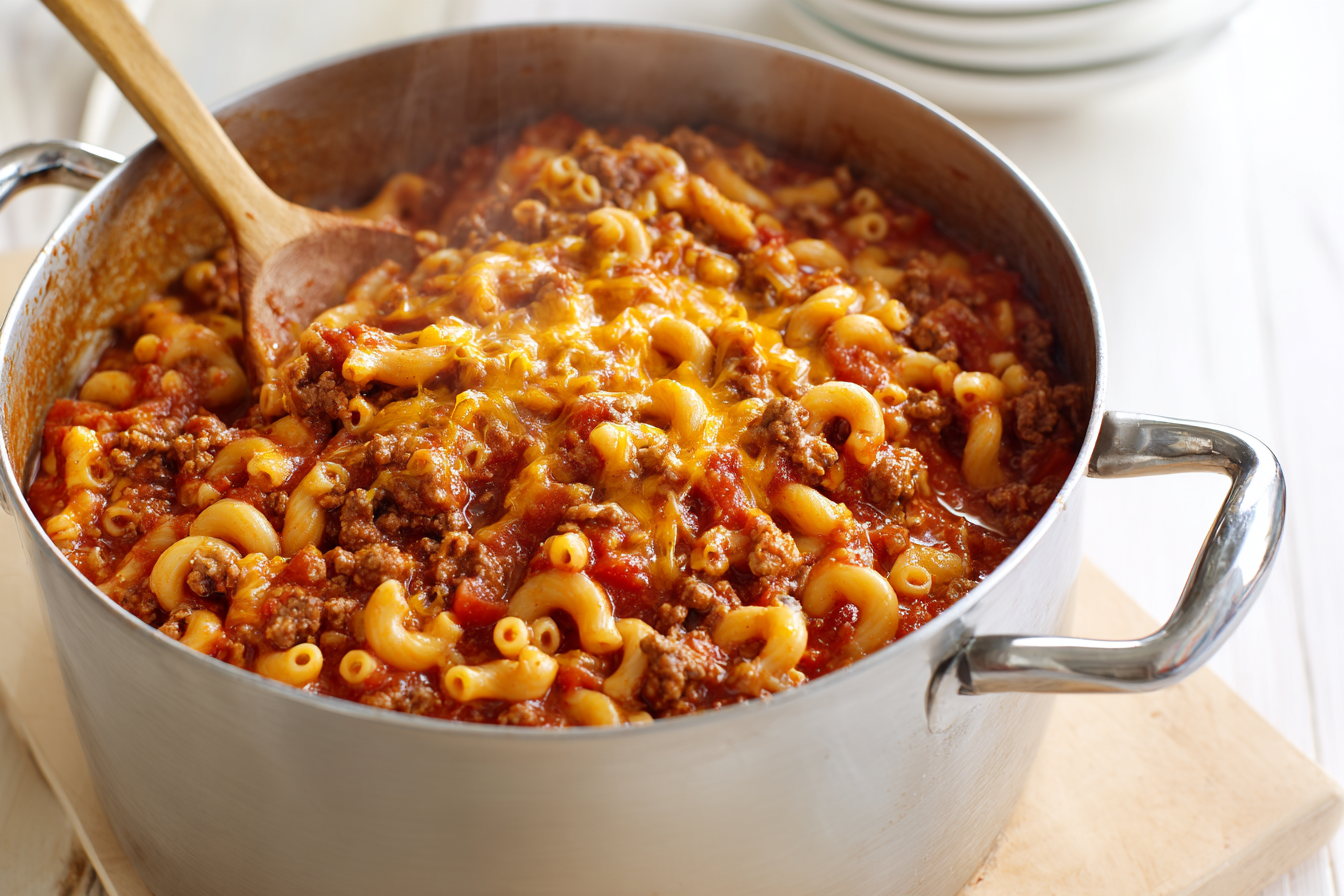
Classic American Goulash
Course: Main CourseCuisine: American6
servings10
minutes25
minutes425
kcalThis forgotten one-pot wonder from the 1960s combines ground beef, elbow macaroni, and tomatoes into a hearty meal that’s cheaper and easier than most modern pasta dishes.
Ingredients
1 ½ pounds ground beef (80/20 works best)
1 medium yellow onion, diced
2 cloves garlic, minced
1 can (15 oz) tomato sauce
1 can (14.5 oz) diced tomatoes with juice
2 cups beef broth
2 cups uncooked elbow macaroni
2 teaspoons Italian seasoning
1 ½ cups shredded cheddar cheese
Salt and black pepper to taste
Directions
- Place a large pot or Dutch oven over medium-high heat and add the ground beef. Break it apart with a wooden spoon and cook for about 5-7 minutes until it’s mostly browned. As it cooks, break up any large chunks so you have small crumbles of meat. Don’t drain the fat yet, as you’ll need some of it for cooking the onions.
- Add the diced onion to the pot with the beef and cook for another 3-4 minutes until the onion starts to soften and turn translucent. Stir in the minced garlic and cook for just 30 seconds until you can smell it. At this point, if there’s more than a couple of tablespoons of fat in the pot, carefully drain off the excess, leaving just enough to keep things from sticking.
- Pour in the tomato sauce, diced tomatoes with their juice, and beef broth, then stir everything together. Add the Italian seasoning along with about 1 teaspoon of salt and ½ teaspoon of black pepper. Give it all a good stir to combine, then increase the heat to bring the mixture to a boil. This should take about 3-4 minutes.
- Once the mixture is boiling, add the uncooked elbow macaroni and stir it in well so all the pasta is submerged in the liquid. Reduce the heat to medium-low so it maintains a gentle simmer. Cover the pot with a lid and let it cook for 12-15 minutes, stirring every few minutes to prevent the pasta from sticking to the bottom. The pasta should absorb most of the liquid and become tender.
- When the pasta is tender and most of the liquid has been absorbed, turn off the heat. The mixture should still be a bit saucy, not dry. Stir in 1 cup of the shredded cheddar cheese until it melts into the goulash. Taste and add more salt and pepper if needed, keeping in mind that the cheese adds some saltiness too.
- Let the goulash sit for about 5 minutes before serving, which allows it to thicken up slightly. Serve in bowls and top each portion with some of the remaining shredded cheese. The goulash will continue to thicken as it cools, so if you have leftovers, you might need to add a splash of water or broth when reheating to loosen it back up.
Notes
- You can substitute ground turkey or chicken for the beef, but you may need to add a tablespoon of oil since these meats have less fat.
- For a vegetable boost, add diced bell peppers with the onions or stir in some frozen corn during the last few minutes of cooking.
- This recipe freezes well for up to 3 months. Let it cool completely, then store in airtight containers. Thaw overnight in the refrigerator before reheating.
- If you prefer a tomatoey taste, reduce the beef broth to 1 cup and add another can of tomato sauce.
- Some families add a bay leaf during simmering or a dash of Worcestershire sauce for extra depth. Remove the bay leaf before serving if you use one.
Frequently asked questions
Q: What’s the difference between American goulash and Hungarian goulash?
A: Hungarian goulash is a soup or stew with chunks of beef, vegetables, and paprika that you serve over pasta or potatoes. American goulash cooks the pasta right in the pot with ground beef and tomatoes, making it more like a thick pasta dish than a soup. They share a name but are completely different recipes.
Q: Can I make American goulash in a slow cooker?
A: You can, but you need to adjust the method. Brown the meat and onions first in a skillet, then transfer everything except the pasta to the slow cooker with less liquid (about 1 cup of broth instead of 2 cups). Cook on low for 4-6 hours, then add the uncooked pasta during the last 30 minutes on high until tender.
Q: Why is my goulash watery?
A: You probably used too much liquid or didn’t let it simmer long enough. The pasta needs to absorb most of the liquid as it cooks. If it’s too watery at the end, remove the lid and let it simmer for a few extra minutes until it thickens up. Remember that it will also thicken as it sits.
Q: What else can I call this dish if my family doesn’t like the name goulash?
A: Depending on where you live, people call this American chop suey, slumgullion, or just beef and macaroni. In some regions, it’s simply known as hamburger goulash or one-pot spaghetti. The recipe stays the same regardless of what name you use for it.