


Pork tenderloin often gets overlooked at the grocery store, which is a real shame because it’s one of the easiest meats to cook well. It’s lean, tender, and ready in about 30 minutes. The best part? You probably already have most of the seasonings sitting in your pantry right now. This simple recipe uses a brown sugar rub and a foil-pouch method that keeps everything juicy and packed with great taste every single time.
Why pork tenderloin is perfect for weeknight dinners
After a long day at work or running kids around, the last thing anyone wants is a complicated dinner that takes forever. Pork tenderloin solves that problem beautifully. It cooks in about 25 to 30 minutes, which means dinner can be on the table faster than ordering takeout. The meat itself is naturally tender, so you don’t need to fuss with it too much. Just season it, pop it in the oven, and let it do its thing while you handle everything else.
The other great thing about this cut is how forgiving it is for beginners. Unlike some meats that turn tough the second you look away, pork tenderloin gives you a nice window to work with. It stays buttery tender as long as you pull it out at the right temperature. Plus, it pairs with almost any side dish you can think of. Mashed potatoes, roasted vegetables, rice, or even a simple salad all work perfectly alongside it.
Don’t confuse pork tenderloin with pork loin
This mix-up happens all the time at the meat counter, and it can really throw off your dinner plans. The names sound almost identical, but these are two different cuts that need different cooking times. A pork tenderloin is long and skinny, usually weighing somewhere between three-quarters of a pound to about one and a half pounds each. You’ll often find them sold in two-packs at most grocery stores.
A pork loin, on the other hand, is much larger and thicker. It can weigh over three pounds and looks more like a small roast. If you accidentally grab a loin instead of a tenderloin, you’ll need to add an extra 20 to 30 minutes of cooking time. Always check the label carefully before you leave the store. The packaging should clearly say pork tenderloin to make sure you’re getting the right cut for this recipe.
The brown sugar rub makes all the difference
A plain piece of pork is fine, but a well-seasoned piece of pork is something special. The brown sugar in this rub creates a slightly sweet crust that balances perfectly with the savory spices. It also helps the outside get a nice caramelized color during cooking. The paprika adds a subtle smokiness, while the ground mustard brings a tiny bit of tang that really wakes everything up.
You don’t need to buy any fancy spice blends for this recipe. Everything in the seasoning mix is probably already in your cabinet. We’re talking brown sugar, paprika, salt, ground mustard, black pepper, onion powder, and garlic powder. A tiny pinch of cayenne is optional if you like a little heat. Just mix it all together in a small bowl, and you’ve got a rub that beats anything you’d buy at the store.
Should you sear the meat before baking
Here’s where things get interesting, and honestly, it depends on which method you choose. Searing the pork in a hot pan before it goes in the oven does a couple of nice things. First, it gives the outside a beautiful golden-brown color that looks really appetizing. Second, it adds a layer of caramelized richness that you just can’t get from the oven alone. The whole process takes maybe five extra minutes.
That said, some recipes skip the sear entirely and go straight into the oven. If you’re baking in a foil pouch with butter and herbs, you can still get incredibly juicy results without searing first. The foil traps all the moisture and creates its own little steaming environment. Both methods work great, so pick whichever fits your schedule better. When you have extra time, searing is worth it. When you’re in a rush, skip it and don’t feel bad about it.
The right oven temperature for juicy results
Should you crank up the heat or go low and slow? Most pork tenderloin recipes call for somewhere between 350 and 425 degrees. The higher temperature of 425 degrees works great when you want a nice crust on the outside and you’re cooking the meat uncovered. It gets everything done quickly and gives you that restaurant-style finish. This method works best when you’ve got about 25 to 30 minutes to spare.
If you’re using the foil pouch method, 350 degrees is the way to go. The foil creates a little steam chamber that helps cook the meat faster even at the lower temperature. Plus, all the butter and herb juices circulate around the pork as it bakes, keeping everything moist. Either temperature works fine, but matching your method to the right heat level makes a big difference in how the final dish turns out.
How to know when your pork is done cooking
Forget cutting into the meat to check if it’s done. That just lets all the good juices escape and leaves you with a drier dinner. The only reliable way to know if your pork tenderloin is perfectly cooked is with an instant-read thermometer. Stick it into the thickest part of the meat and wait for the reading. Once it hits 145 degrees, you’re good to go. That’s the safe temperature according to the USDA.
Here’s a pro tip that might surprise you. Pull the pork out of the oven when it reaches 140 degrees instead of waiting for 145. The meat will continue cooking for a few more degrees while it rests. This is called carryover cooking, and it happens with all meats. If you wait until the thermometer says 145 while still in the oven, you might end up at 150 by the time you slice and serve, which can make things a bit dry.
Letting the meat rest is not optional
It’s so tempting to slice right into that beautiful pork the second it comes out of the oven. But hold on for just a few minutes. Resting the meat is one of those small steps that makes a huge difference. When you cut into pork immediately after cooking, all those delicious juices pour out onto the cutting board instead of staying in the meat where they belong.
Give your tenderloin at least five minutes to rest before slicing. Ten minutes is even better if you can wait that long. Just tent it loosely with some foil to keep it warm while it sits. During this time, the juices redistribute throughout the meat, and every single bite stays moist and tender. This simple pause turns a good dinner into a great one, and it costs you nothing but a little patience.
Easy ways to customize your seasoning blend
Once you’ve got the basic method down, the fun part is switching up the seasonings to match your mood. Italian herbs like basil, oregano, thyme, and parsley make a classic combination that works beautifully with pork. Add some minced garlic and butter for a garlic herb version that smells incredible while it bakes. You can even use a store-bought Italian seasoning blend if you want to keep things super simple.
Feeling adventurous? Try a Cajun spin with some Cajun seasoning, a splash of Worcestershire sauce, and a drizzle of hot sauce. Some recipes also add soy sauce and honey for a slightly sweet and savory glaze. The point is that pork tenderloin is like a blank canvas. It takes on whatever seasonings you throw at it, so don’t be afraid to experiment and find your own favorite combination.
What to serve alongside your pork tenderloin
Choosing the right side dishes can turn a simple pork tenderloin into a complete meal everyone loves. Mashed potatoes are always a winner because they soak up any extra sauce or juices from the meat. Roasted vegetables like broccoli, green beans, or carrots also pair really well. The slight sweetness from the brown sugar rub complements the natural sweetness in roasted veggies perfectly.
If you want something lighter, a simple green salad with a tangy vinaigrette balances out the richness of the pork. Rice pilaf or buttered noodles work great too if you’re feeding a hungry crowd. One reviewer mentioned serving this with parsley potatoes and steamed broccoli alongside a glass of wine, and that sounds like an excellent combination. The best part is that almost any side you already know how to make will work just fine here.
Pork tenderloin deserves a spot in your regular dinner rotation. It’s quick, affordable, and impressive enough for company while still being easy enough for a random Tuesday night. Master this one recipe and you’ll have a reliable go-to that never disappoints. The leftovers even make fantastic sandwiches the next day, so consider making extra and thanking yourself later when lunch is already taken care of.
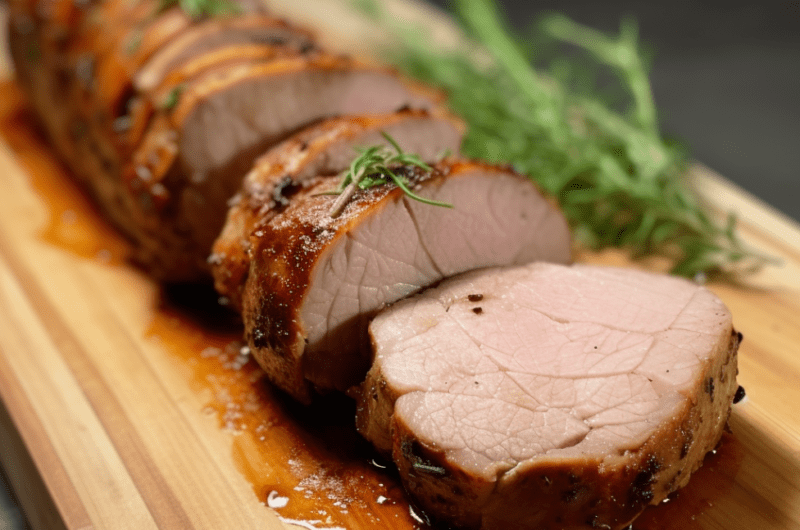
Brown Sugar Baked Pork Tenderloin
Course: DinnerCuisine: American4
servings10
minutes30
minutes285
kcalThis easy oven-baked pork tenderloin comes out perfectly tender and juicy every single time thanks to a sweet and savory brown sugar spice rub.
Ingredients
2 pork tenderloins (about 1 pound each)
3 tablespoons brown sugar
1 1/2 tablespoons paprika
1 1/2 teaspoons salt
1 1/2 teaspoons ground mustard
1 teaspoon black pepper
1 teaspoon onion powder
1/2 teaspoon garlic powder
1 to 2 tablespoons olive oil
Directions
- Preheat your oven to 425 degrees Fahrenheit. While the oven heats up, take the pork tenderloins out of the package and pat them completely dry with paper towels. Removing excess moisture helps the seasoning stick better and promotes a nice crust.
- In a small bowl, mix together the brown sugar, paprika, salt, ground mustard, black pepper, onion powder, and garlic powder until well combined. Make sure there are no clumps of brown sugar so the seasoning distributes evenly across the meat.
- Drizzle the olive oil over the pork tenderloins and use your hands to coat all sides evenly. The oil helps the spice rub adhere to the meat and also promotes browning during the cooking process.
- Generously coat the oiled pork with the spice mixture, pressing it gently into the meat on all sides. Make sure every surface is covered with a nice layer of the seasoning blend for maximum taste in every bite.
- Place the seasoned pork tenderloins in a shallow baking dish or on a rimmed baking sheet. Leave a little space between them if cooking two so the heat can circulate properly around each piece of meat.
- Bake in the preheated oven for 25 to 30 minutes, or until an instant-read thermometer inserted into the thickest part of the pork reads 140 degrees Fahrenheit. The meat will continue cooking slightly after you remove it from the oven.
- Remove the baking dish from the oven and transfer the pork tenderloins to a cutting board. Tent loosely with aluminum foil and let the meat rest for at least 5 minutes before slicing to allow the juices to redistribute.
- Slice the rested pork tenderloin into half-inch thick medallions and arrange on a serving platter. Drizzle any pan juices over the sliced meat and serve immediately while still warm.
Notes
- If your pork tenderloin has silver skin (a thin white membrane), use a sharp knife to remove it before seasoning as it can become tough when cooked.
- For an optional foil pouch method, wrap the seasoned pork in aluminum foil with pats of butter and bake at 350 degrees for 25 minutes instead.
- Leftovers can be stored in an airtight container in the refrigerator for up to 3 days or frozen for up to 3 months.
Frequently Asked Questions
Q: Can I use a pork loin instead of a pork tenderloin for this recipe?
A: Yes, you can use a pork loin, but you will need to increase the cooking time by 20 to 30 minutes since it is a larger and thicker cut of meat. Always use a meat thermometer to check for doneness rather than relying on time alone.
Q: Is it safe to eat pork that looks a little pink inside?
A: Yes, as long as the internal temperature reaches 145 degrees Fahrenheit, the pork is safe to eat even if it appears slightly pink. The USDA updated their guidelines, and pink color is no longer an indicator that pork is undercooked.
Q: Do I need to marinate the pork tenderloin before cooking?
A: Marinating is not required for this recipe because the spice rub and cooking method keep the meat moist and flavorful. However, marinating overnight in Italian dressing or olive oil with lemon juice can add even more tenderness if you have the time.
Q: How do I reheat leftover pork tenderloin without drying it out?
A: Wrap the leftover pork in foil and bake at 350 degrees until heated through, or pan-fry slices in a little butter over medium heat. You can also microwave it, but the oven method keeps the meat more tender.