


Most people think mashed potatoes are pretty simple. Boil some potatoes, add butter, mash them up, and call it a day. But what if everything you thought you knew about making mashed potatoes was wrong? There’s a secret ingredient that transforms ordinary spuds into something so creamy and rich that people actually freak out when they taste them. And no, it’s not more butter.
Cream cheese is the secret nobody tells you about
Here’s the thing about mashed potatoes at most holiday dinners. They’re fine. They’re okay. But they’re rarely the dish that makes people go back for seconds and thirds. The secret to changing that is something you probably already have in your fridge right now. It’s cream cheese. Yes, the same stuff you spread on bagels can completely change your potato game. Adding a whole eight-ounce block of softened cream cheese to five pounds of potatoes creates this unbelievably smooth and rich base that butter alone just can’t achieve.
The best part is that even people who claim they hate cream cheese won’t be able to tell it’s in there. Ree Drummond says her husband ate these potatoes for years before finding out about the cream cheese. He was not happy when he learned the truth, but he kept eating them anyway. That’s how good they are. The cream cheese melts right into the hot potatoes and disappears, leaving behind only that amazing creamy texture that everyone notices but nobody can quite figure out.
Why russet and Yukon gold potatoes work best
Not all potatoes are created equal when it comes to mashing. You can’t just grab any bag at the grocery store and expect great results. Russet potatoes and Yukon gold potatoes are the two best choices for mashed potatoes. They both have high starch content, which means they mash up nice and fluffy instead of turning into a gluey mess. Waxy potatoes like red potatoes or fingerlings hold their shape too well and won’t give you that smooth consistency you want.
There’s a difference between the two options though. Russet potatoes produce slightly lighter and fluffier mashed potatoes. Yukon gold potatoes have a naturally buttery taste and create a creamier result. They’re also more forgiving if you accidentally stir them a bit too much. You can use one type or mix them together for something in between. Either way, skip the fancy specialty potatoes and stick with these two tried and true options for the best results every single time.
The potato masher beats electric mixers every time
It might seem like using an electric hand mixer would make mashing potatoes easier and faster. But this is one of those times where the old-fashioned way is actually better. When you use a hand mixer or especially a blender or food processor, the sharp blades break down the starch in the potatoes way too much. The result is a gluey, gummy texture that nobody wants to eat. It’s the kind of mashed potato disaster that makes people push them to the side of their plate.
A simple potato masher gives you much more control over the final texture. You can feel when the potatoes are smooth enough without going overboard. It takes a little more arm work, but it’s worth it. Mash until most of the chunks are gone and you can still see some small pieces here and there. Those little variations in texture are what make homemade mashed potatoes taste homemade. If you want them completely smooth, use a ricer or food mill instead of an electric mixer.
Cutting potatoes into even pieces matters more than you think
Ever had mashed potatoes with random hard chunks in them? That happens when the potato pieces aren’t cut to the same size before boiling. The smaller pieces cook faster and turn to mush while the bigger ones stay firm in the middle. Then when you mash everything together, those undercooked chunks refuse to break down. It ruins the whole batch. Taking a few extra minutes to cut your potatoes into evenly sized pieces makes a huge difference in the final result.
Cut each potato into halves or quarters depending on their size. The goal is to have all the pieces roughly the same so they finish cooking at the same time. After about thirty minutes of boiling, do the fork test. Slide a fork into one of the potato pieces. If there’s any resistance at all, keep cooking. The potatoes should be so tender that they almost fall apart when you poke them. This is the key to lump-free mashed potatoes that come together perfectly.
Draining and drying the potatoes prevents watery results
Have you ever made mashed potatoes that seemed watery or mealy? The problem usually starts right after draining. Most people drain the potatoes in a colander and immediately start mashing and adding ingredients. But those potatoes are full of steam and moisture that needs to escape first. If you trap all that water in by adding butter and cream right away, you end up with thin, soupy mashed potatoes that taste bland no matter how much salt you add.
After draining the potatoes well, put them back in the dry pot and place it on the stove over low heat. Mash the potatoes for about three minutes while that excess moisture evaporates. You’ll actually see the steam coming off as you work. This simple step makes such a big difference in the final texture and taste. The potatoes become fluffier and will absorb the butter and cream cheese much better. It’s like giving them a chance to catch their breath before the real work begins.
Softened butter and cream cheese blend in smoothly
Cold butter and cream cheese straight from the refrigerator are enemies of smooth mashed potatoes. They create lumps that won’t break down no matter how much you mash. The cold also drops the temperature of your potatoes quickly, making it harder to mix everything together. You’ll end up working the potatoes too much trying to incorporate everything, and that leads to the gummy texture everyone wants to avoid.
Set your butter and cream cheese out on the counter a few hours before you start cooking. They should be soft enough that you can easily press a finger into them. When you add them to the hot potatoes after draining, they’ll melt right in and combine with barely any effort. The same goes for the half-and-half or cream. Using room temperature dairy or even slightly warmed dairy helps keep those potatoes hot and makes mixing much easier. This is one of those small details that separates good mashed potatoes from great ones.
Seasoning at the end lets you get it just right
Under-seasoned mashed potatoes are sadly common. People get nervous about adding too much salt and end up with a bland bowl of beige paste. The trick is to add your seasonings at the end, after all the butter and cream cheese are mixed in. This way you can taste as you go and adjust until it’s perfect. Start with less than you think you need, mix it in well, taste, and add more if necessary.
A combination of kosher salt, black pepper, and Lawry’s Seasoned Salt works really well for this recipe. The seasoned salt adds depth without being overpowering, and it includes hints of other seasonings that complement the potatoes nicely. Start with about half a teaspoon of each and work your way up. Remember that if you’re serving these potatoes with gravy, they don’t need to be heavily seasoned on their own. The gravy will add plenty of saltiness and taste. Trust your own preferences here.
Making these potatoes ahead saves time on busy days
Thanksgiving is stressful enough without trying to time mashed potatoes perfectly while the turkey rests and the gravy simmers. The wonderful thing about this cream cheese mashed potato recipe is that you can make it a day or two before you need it. The butter and cream cheese help the potatoes keep their creamy texture even after refrigerating and reheating. This takes so much pressure off when you’re trying to get an entire holiday meal on the table at once.
Transfer the finished potatoes to a buttered baking dish and refrigerate until you need them. Take them out about two to three hours before serving to let them come closer to room temperature. Then bake them in a three hundred fifty degree oven for twenty to thirty minutes until they’re heated through. Add a few pats of butter on top before baking for extra richness. You can even freeze mashed potatoes for up to a month and thaw them in the fridge before reheating.
Leftover mashed potatoes make amazing new dishes
If you somehow end up with leftover mashed potatoes, consider yourself lucky. These creamy potatoes are the perfect starting point for all kinds of other recipes. You can fry spoonfuls of them in butter until crispy on the outside to make mashed potato pancakes. They’re incredible for breakfast with eggs or as a side dish for dinner the next night. The cream cheese in this recipe gives them a little extra structure that holds up well to frying.
You can also use leftovers to make a twice-baked potato casserole or as the topping for shepherd’s pie. The potatoes will keep in an airtight container in the refrigerator for up to four days. Just reheat them gently in the microwave or oven with a splash of milk or cream to loosen them back up. Don’t let them go to waste because cold leftover mashed potatoes straight from the fridge at midnight are honestly one of life’s great pleasures.
These cream cheese mashed potatoes have earned their reputation for good reason. They’re the kind of side dish that people remember long after the meal is over. Whether you’re making them for Thanksgiving, a Sunday dinner, or just a random Tuesday when you need some comfort food, this recipe delivers every time. Try it once and you’ll understand why so many people have made it their go-to recipe for years.
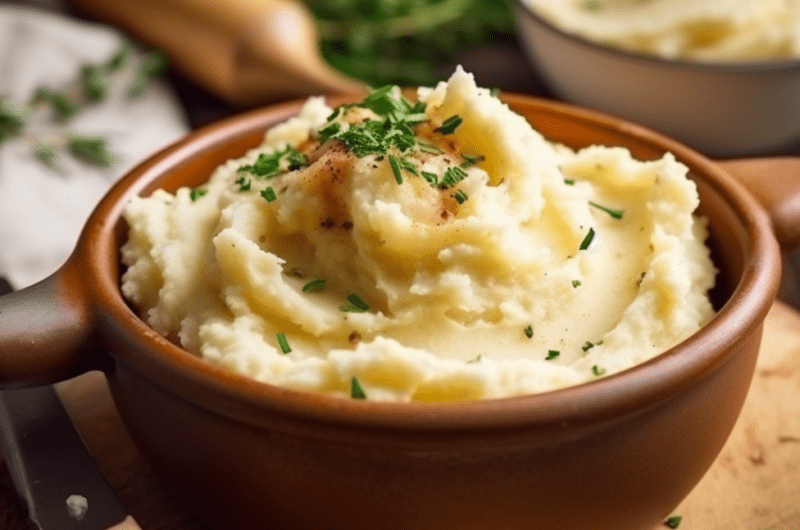
Cream Cheese Mashed Potatoes
Course: Side DishCuisine: American10
servings1
hour30
minutes380
kcalThe secret ingredient mashed potato recipe that makes people completely lose their minds over how creamy and delicious they are.
Ingredients
5 pounds russet or Yukon gold potatoes
3/4 cup butter, softened, plus more for topping
1 (8-ounce) package cream cheese, softened
1/2 cup half-and-half
1/4 cup heavy cream
1/2 to 1 teaspoon Lawry’s Seasoned Salt
2 teaspoons black pepper
1/2 teaspoon kosher salt, plus more to taste
Directions
- Peel all the potatoes using a vegetable peeler and rinse them under cold water. Cut each potato into halves or quarters so all the pieces are roughly the same size for even cooking.
- Bring a large pot of water to a simmer and add the cut potatoes. Bring to a boil and cook for 30 to 35 minutes until a fork slides easily into the potatoes with no resistance. The potatoes should almost fall apart when fully cooked.
- Drain the potatoes in a large colander and let them sit for a minute. Return the drained potatoes to the dry pot and place on the stove over low heat.
- Using a potato masher, mash the potatoes over low heat for about 3 minutes to let the steam escape. This prevents watery or mealy mashed potatoes and creates a fluffier base.
- Turn off the stove and add the softened butter, softened cream cheese, half-and-half, and heavy cream to the potatoes. Mash everything together until the butter and cream cheese are fully incorporated and the potatoes are smooth.
- Add the seasoned salt, black pepper, and kosher salt to the potatoes. Stir well and taste, adjusting seasonings as needed. Don’t be afraid to add more salt if the potatoes taste bland.
- Transfer the mashed potatoes to a buttered medium-sized baking dish. Smooth out the top and add a few pats of butter on the surface.
- Place the baking dish in a 350°F oven and heat until the butter is melted and the potatoes are warmed through, about 20 to 30 minutes. Serve hot directly from the baking dish.
Notes
- Make sure butter and cream cheese are fully softened at room temperature before adding to avoid lumps in your mashed potatoes.
- These potatoes can be made 1-2 days ahead. Remove from fridge 2-3 hours before reheating in a 350°F oven for 20-30 minutes.
- For freezing, store in a freezer-safe container for up to one month. Thaw in the refrigerator before reheating with extra butter.
- Never use a blender or food processor to mash potatoes as it will make them gummy and gluey.
Frequently Asked Questions
Q: Can I taste the cream cheese in these mashed potatoes?
A: No, the cream cheese completely melts into the hot potatoes and you can’t detect it as a distinct taste. It just makes the potatoes incredibly creamy and rich. Even people who don’t like cream cheese have no idea it’s in there.
Q: What can I use instead of half-and-half?
A: You can substitute heavy cream for a richer result or whole milk for a lighter version. Start with a little less than the recipe calls for and add more as needed until you reach your desired consistency.
Q: How do I know when the potatoes are done boiling?
A: Do the fork test by sliding a fork into one of the potato pieces. If there’s any resistance at all, keep cooking. When they’re ready, the fork should slide in easily and the potato should almost fall apart.
Q: Can I leave the skins on my potatoes?
A: Yes, leaving the skins on is a personal preference that creates more rustic, chunky mashed potatoes. If you want them smooth and creamy like this recipe intends, peel the potatoes before boiling.